
Polymarket turns on Bitcoin Lightning
Instant funding and near-zero fees: Lightning come to prediction markets


Big commerce tech in this edition: We’re digging into Polymarket’s recent Lightning integration, and a race between competing protocols for the future of agentic payments.
Polymarket turns on Lightning for instant onboarding and prediction settlements
Payment Required: The race for agentic payments is on between X402 and L402
Check out this edition’s Bitcoin Commerce feature projects: Routstr’s AI marketplace and Clam’s Bitcoin business bookkeeper
Looking for a laugh? Check out our Bitcoin meme of the week at the back of the Roundup! 😁
Let’s get into it ↓

Polymarket users get instant deposits via Lightning
Prediction markets have exploded as a frontier for online business in recent years. Interestingly, they are one of the few places where decentralization and crypto goes head to head with traditional KYC and fiat currency on such a large scale.
Kalshi went the traditional route and Polymarket went decentralized. Now, one of the key differences between the centralized and decentralized tech is front and center: instant deposits.
When Polymarket turned on Lightning payments, their users got instant access to real-time, zero wait deposits and tiny payment fees.
Now let’s see if prediction markets follow the iGaming markets in successfully applying Lightning to solve real-world pain points for online businesses.
Learn more in the TFTC article here:
https://www.tftc.io/polymarket-lightning-bitcoin-deposits-spark
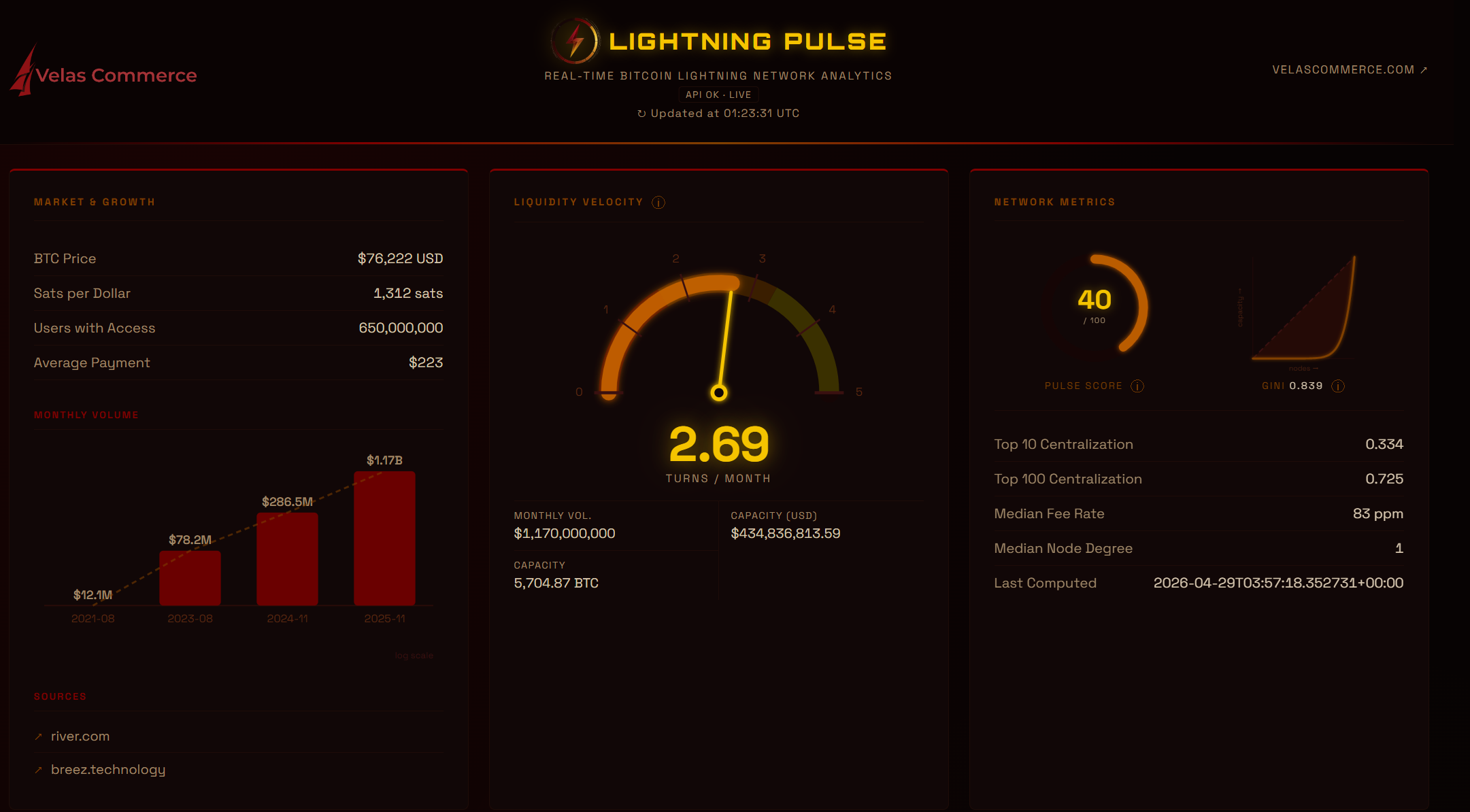
Want to stay up to date on the Lightning Network?
Check out our Lightning Pulse, where you can keep up with some fun stats on the Lightning Network and Bitcoin adoption.
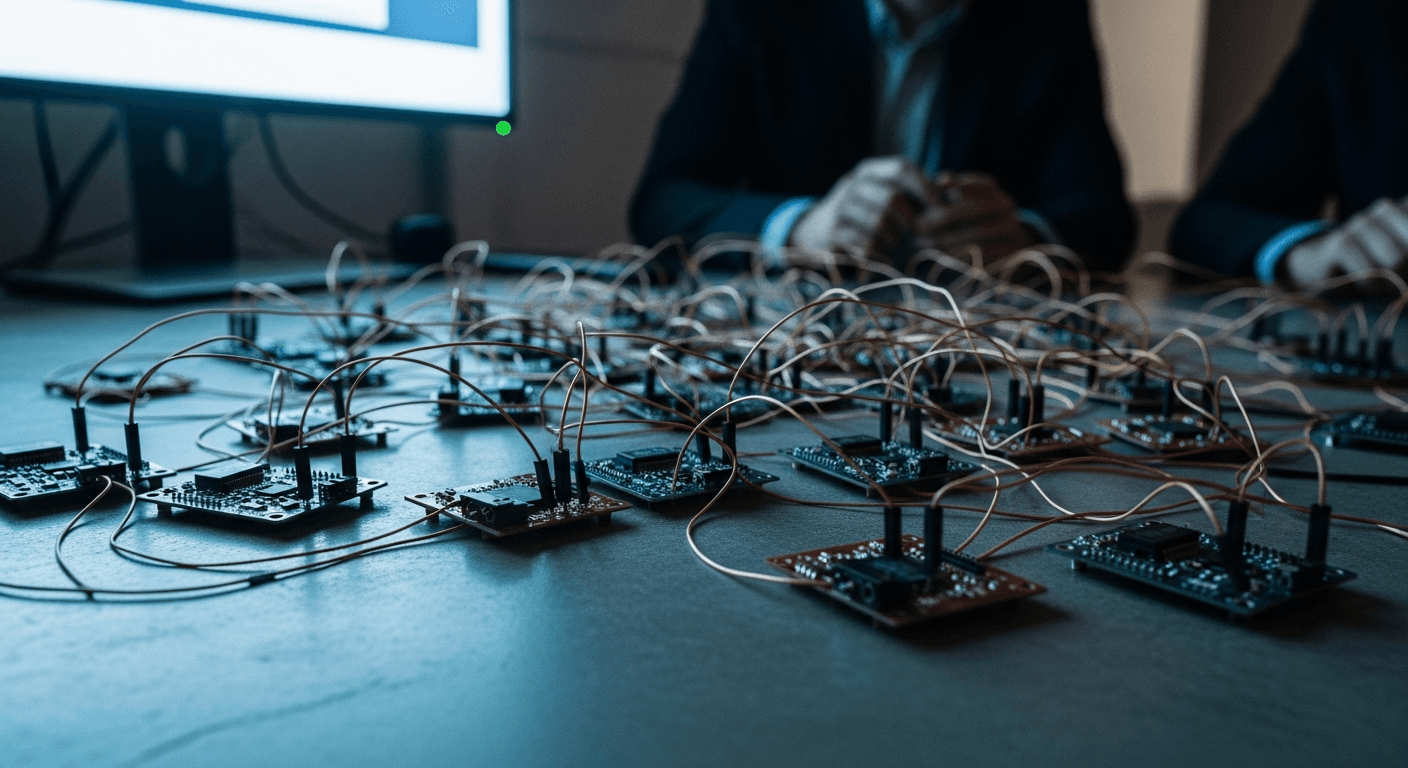
The race for agentic payments is on
A new electronic economy is being formed where machines pay machines, the foundations of the Internet of Money.
And, while the race is on to see what technology will power it, there is a growing realization that machine-to-machine payments need to be built from a protocol level, similar to http, email, and well, Bitcoin.
Enter two competing protocols: X402 and L402. Both specify how information can be unlocked by making a payment.
X402s are in the headlines, going operational on July 14, 2026 with membership across 40 organizations including Visa, Mastercard, and Cloudflare and governed under the Linux Foundation.
L402 is the original, Bitcoin-native protocol that allows for tiny sub-cent transactions, while X402 is multi-asset protocol that is practically limited to payment sizes no smaller than a US cent. The X402 spec is chain agnostic, but in practice transaction volume runs on USDC and Base, Coinbase’s layer 2, practically limiting minimum payment sizes to a US cent.
X402s have been gaining a huge traction with traditional payment businesses, Lightning remains a quiet contender in providing real-time micropayments.
So the race is on.
Check out the article on X402s gaining traction and the new L402 site linked below.
Watch this space.
https://www.tftc.io/x402-foundation-operational-launch-ai-agent-payments

Bitcoin Commerce Spotlight: Routstr and Clams
Check out this edition’s feature projects:
Routstr: Pay tiny micropayments for access to the latest open source AIs. Check out the stats page too, it looks like there is a lot of demand for the Moonshot.ai model.
https://routstr.com/

Clams: A Bitcoin-focused bookkeeping software designed to help businesses keep tidy books on their various Bitcoin wallets. (Which is a challenge, can relate.)
Two years in the making:

Know a project we should be featuring?
Let us know here on Substack or email us at engineering@velascommerce.com.
And our Bitcoin Commerce meme of the week....🥁🥁🥁🥁🥁🥁


🤖 What money do AI Agents prefer?
Check out our founder’s most recent post on LinkedIn, breaking down recent data published by the Bitcoin Policy Institute. Spoiler alert, AI agents prefer Bitcoin.
🧊 What can you build with Bitcoin?
We just released our latest research - a guide that breaks down some of the awesome stuff that can be built with electronic peer to peer cash for the internet. There are some mainstays, but some emerging areas may surprise you!